


THE EARLY PRIESTS
The Jesuits at St. Patrick’s Mission: 1858 – 1958 by Monsignor Harcourt Vincent Blackett
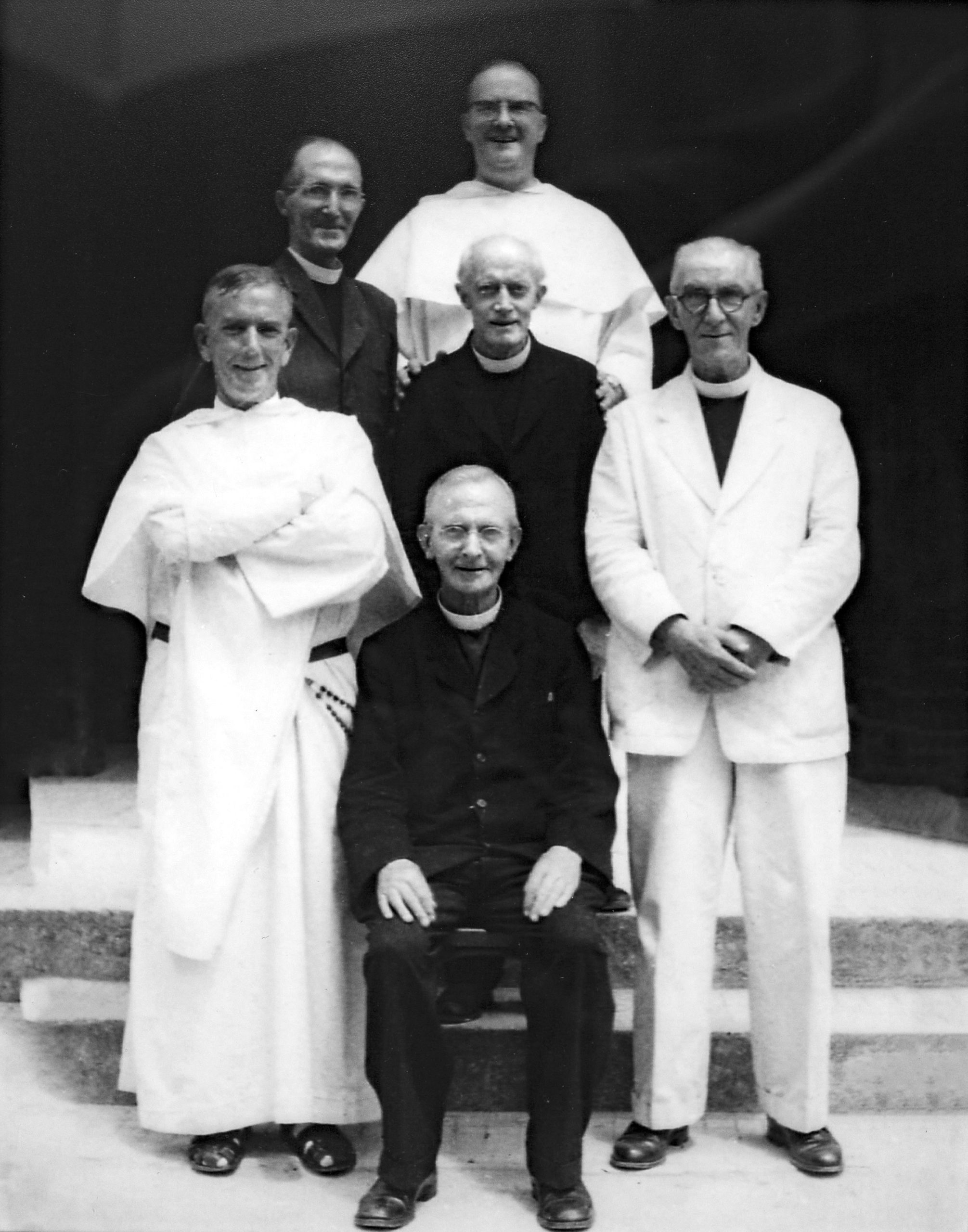
PARKINSON S.J., Vicar General of Barbados with two of his fellow Jesuits: Frs. Sharrock in white suit, Morrison in black suit and two Dominicans as they are about to take over responsibility for St. Patrick’s in 1958. Fr. Parkinson remained for a short period before moving to Verdun, St.John, as chaplain to the Presentation Brothers.
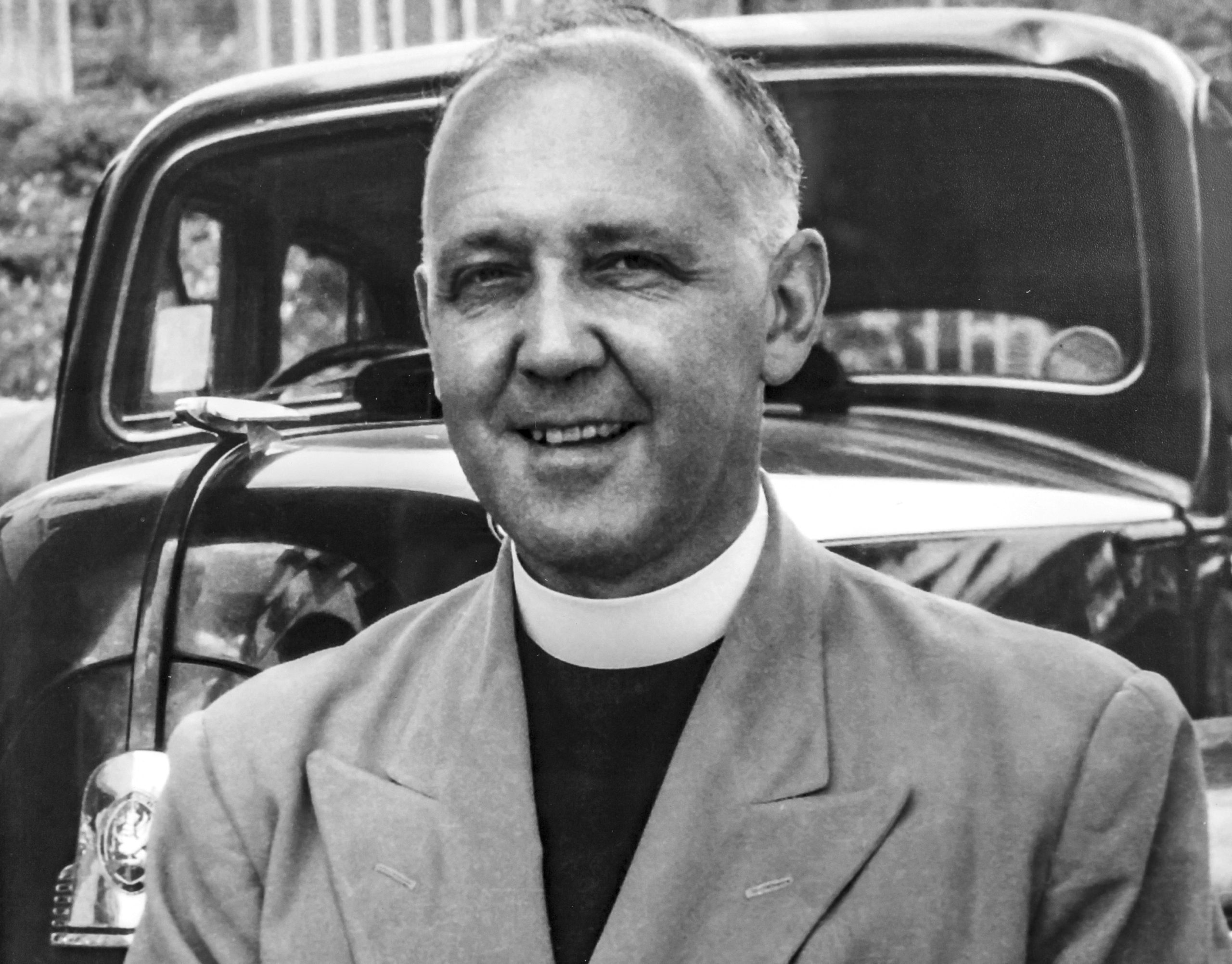 THOMAS PEARSON S.J. was one of the most well known Jesuits to work in Barbados. He came to St. Patrick’s in 1956 and he took the Catholic faith up the West Coast. He opened the Ignatius Mission at Black Rock, along with St. Francis Xavier, in the Garden, St. James, and was responsible for the Holy Family Centre In Speightstown, St. Peter. He opened the Sacred Heart Mission in Foul Bay, St. Philip and the Holy Rosary in St. John.
Fr. Pearson started the Bridge club of Barbados and was responsible for the opening of a school for labour relations at Canefield House, St. Thomas. He pushed the Catholic faith right across the island and went on to the Bahamas for a short while before returning to England where he ended his days.
 SHARROCK S.J. came to the St. Patrick’s Mission, Barbados from British Guiana where he taught and exercised his priestly ministry. In Barbados he assisted at St. Patrick’s along with Fr. Parkinson, Fr. Morrison and Fr. Pearson. When the changeover came about he went to St. Francis Xavier which became St. Francis of Assisi with Fr. Pearson and with Fr. Prime.
In his own right, Fr. Sharrock was a historian, and wrote on the Catholic Church in Barbados. Fr. Sharrock was a very pleasant person and was always ready to engage in conversation. I learnt much about the Catholic Church in Barbados from him.
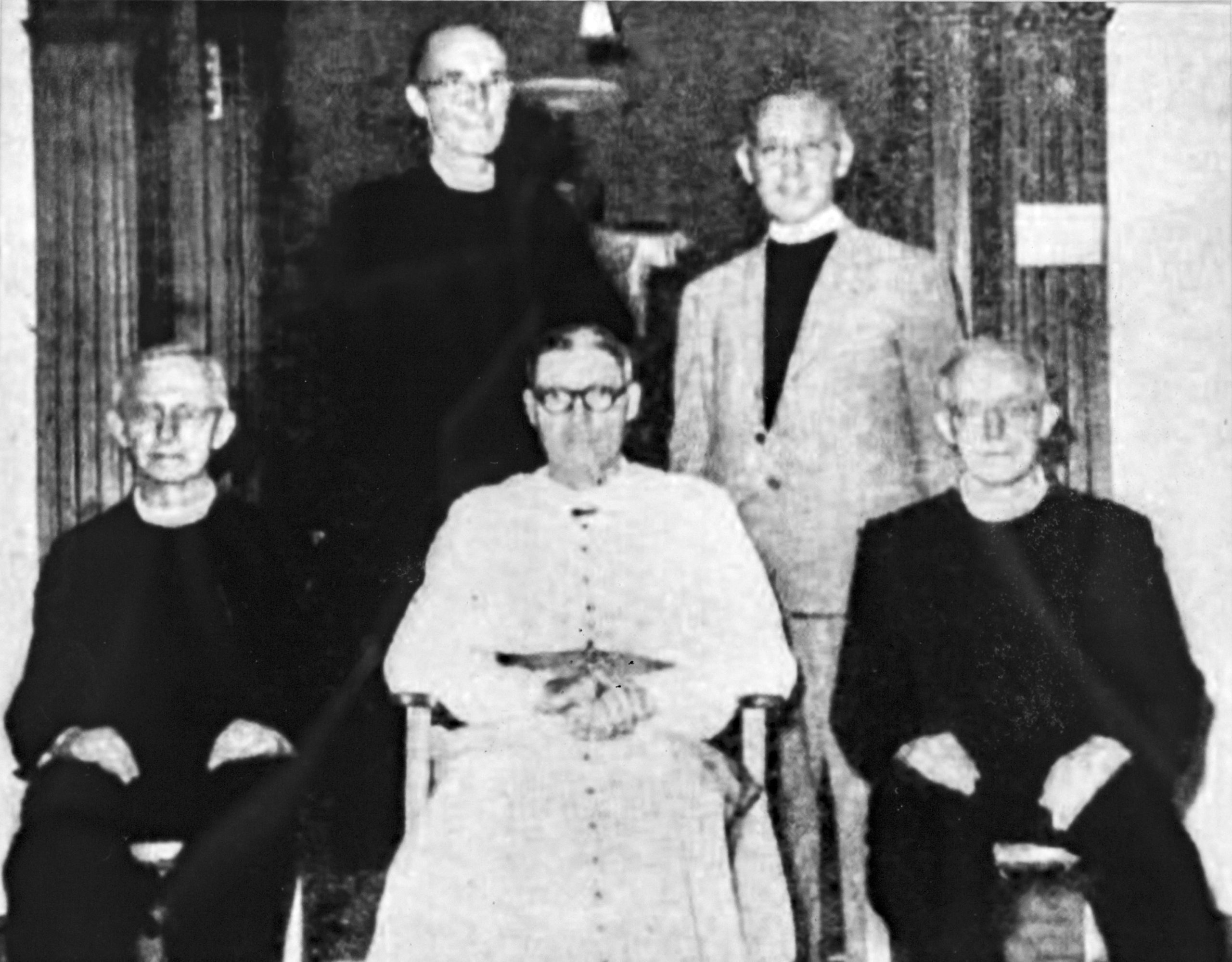
GUILLY S.J., the last Jesuit bishop, seated in the centre surrounded by his four fellow soldiers who protected and spread the Catholic faith in Barbados. We have not seen the kind of witness that these men of God had. They truly taught us what Religious life is about.


ST. PATRICK’S ROMAN CATHOLIC SCHOOL
 In 1850 a Bill was passed by the Barbados Government to make aid available to any elementary school provided it had an attendance of at least 50 children, and the authorised version of the Bible was both read and taught. This was meant to exclude Catholics who did not read and teach this version of the Bible. As such, the struggle to get funding for a Catholic School continued.
In 1886, Rev. Fr. Strickland finally got a school started for poor children. One Catholic lady – aged 60 and of moderate means – volunteered her services. But some weeks later she became ill and with the exception of two members of the congregation, who gave a little financial help, no other Catholic came forward to help financially or otherwise contribute to the only Catholic school in Barbados. Fr. Strickland had to employ non-Catholic teachers who eventually became converts as a result of teaching Catechism.
On February 2, 1932 Mother Angela Woods OSU opened the present St. Patrick’s Roman Catholic School, with Mother Alphonsus O.S.U as Headmistress, and a mere seven students. By the mid-1950s over 900 students were registered at St Patrick’s School, which at that time provided both a primary and secondary level education. There was still no financial aid from Government to assist either with the upkeep of the school or the maintenance of its free School Meals Programme.
Today, St. Patrick’s School, which provides education at the primary level only, has a role of 150 students, and employs eight full-time teachers. However, it is still largely dependent upon funds raised by its annual bazaar, private donations and by its annual Tag Day in March.
THE URSULINE SISTERS
In 1894, the St. Patrick’s community raised funds and a Convent of the Sisters of Mercy was built on the grounds of St. Patrick’s Church. Shortly thereafter the Sisters of Mercy were recalled to British Guiana and four Ursuline Sisters arrived at St. Patrick’s to replace them. With the arrival of the Ursuline Sisters the pastoral care for the children of Catholics and non-Catholics was placed firmly in their hands. The Convent School of the Sisters of Mercy was renamed the Ursuline Convent and was administered by Rev. Mother Stanislaus O.S.U. and later Mother Angela Daly O.S.U.. The school offered both primary and secondary education. In 1908, the Convent outgrew the grounds of St. Patrick’s Church and moved to its current location on Collymore Rock.
The Ursuline Convent, under the administration of the Ursuline Sisters, comprised St. Angela’s Infants, St. Francis (boys’ secondary) and St. Ursula’s Seniors. The year 2019 marked the 125th anniversary of the establishment of the Ursuline Convent School. The Convent, however, closed in 2023 due to aging sisterhood, dwindling enrollment and the financial impacts of the COVID-19 pandemic.


BISHOPS WHO SERVED AT ST. PATRICK’S CATHEDRAL
 Bishop Anthony Hampden Dickson – Bishop Emeritus of Bridgetown
Bishop Anthony Hampden Dickson was born on November 3, 1935 in Jamaica. He attended St. John’s Seminary in Brighton, Massachusetts, USA, from 1957 to 1962, where he studied philosophy and theology.
On completion of his studies he was ordained to the priesthood in Kingston, Jamaica on February 11, 1962. From 1962 to 1971, he performed priestly ministry in two parishes and was subsequently appointed rector of the Cathedral, and secretary to the Archbishop of Kingston.
He was ordained Bishop of the Diocese of Bridgetown–Kingstown (Barbados and St. Vincent and the Grenadines) on January 27, 1971. Bishop Dickson retired from the office of Bishop in 1995 due to poor health.
Footnote: On Bishop Dickson demitting office in May 1995, Cardinal Kelvin Felix, then Archbishop of Castries, St Lucia, was appointed Apostolic Administrator of the Diocese of Bridgetown until the ordination of Bishop Malcolm Galt in July 1995. Cardinal Felix appointed Fr Clement Paul to be his delegate as the Cardinal lived in St Lucia.
 Bishop Malcolm Patrick Galt
Bishop Galt was born on July 9, 1929 in Trinidad and Tobago. He completed his seminary work in philosophy at Marian University in Montreal and theology at the Holy Ghost Missionary College in Ireland.
He was ordained a priest on July 10, 1955 as a member of the Congregation of the Holy Spirit, a Catholic religious order also known as the Holy Ghost Fathers. He served as a missionary in Nigeria, where he taught and helped to provide food for refugees during the civil war.
He returned to Trinidad and Tobago in December 1968 and was made provincial of the Holy Ghost Fathers in September 1969, the first local provincial. He was appointed Bishop of the Diocese of Bridgetown in 1995, a position he held until his retirement in 2005.
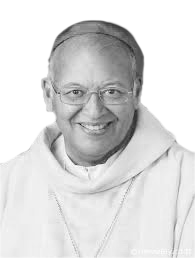 Archbishop Robert Rivas O.P. – Apostolic Administrator, Diocese of Bridgetown (2005–2011)
The Most Reverend Archbishop Robert Rivas O.P. was born on June 7, 1946 in Trinidad and Tobago and was ordained to the priesthood in 1971. He attended the Pontifical University of St. Thomas Aquinas, Rome, where he obtained the Licence in Theology.
He was consecrated Bishop of Kingstown, St Vincent and the Grenadines on January 22, 1990, the first Caribbean-born Dominican to become a bishop in the West Indies. He was appointed Archbishop of the Diocese of Castries in 2007.
Archbishop Rivas was appointed Apostolic Administrator of the Diocese of Bridgetown in 2005 where he served until 2011.
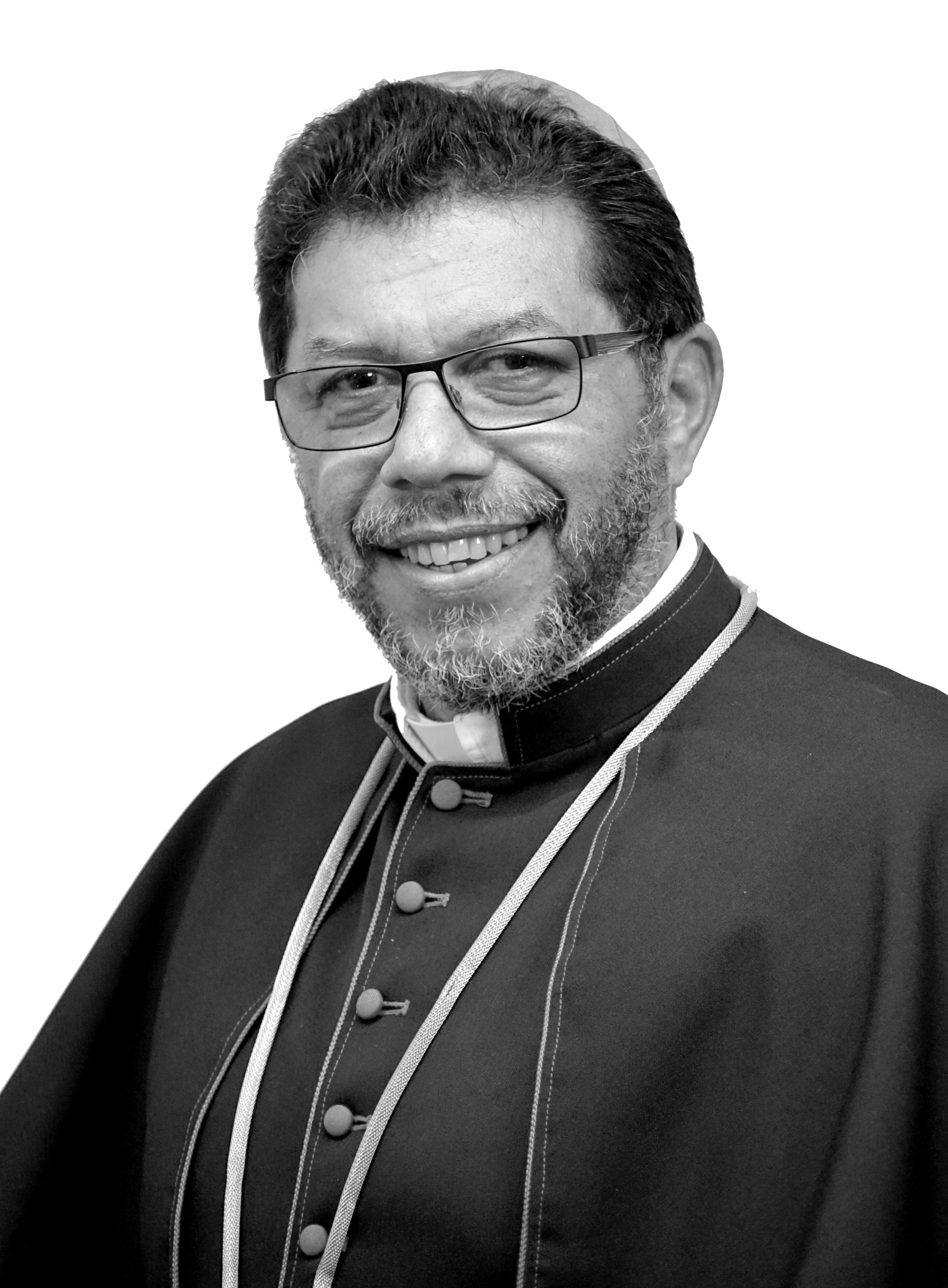 Archbishop Charles Jason Gordon – Archbishop of Port of Spain
The Most Rev. Dr. Charles Jason Gordon was born on March 17, 1959 in Trinidad and Tobago, where he attended Fatima College.
He entered the Living Water Community, a lay ecclesial community in Trinidad, in 1981 and began his seminary formation at the Seminary of St. John Vianney and the Uganda Martyrs. He pursued graduate studies at the Catholic University of Leuven, Belgium (1986–1988), completing a Masters in Theology (Magna cum Laude) and a BA in Philosophy. He was ordained a priest in 1991 and completed his PhD at Heythrop, the Jesuit College in the University of London (1996–2000).
On September 21, 2011, Rev. Dr. Charles Jason Gordon was ordained the Bishop of Bridgetown. He was appointed Archbishop of Port of Spain, Trinidad in October 2017, and Apostolic Administrator of the Diocese of Bridgetown.
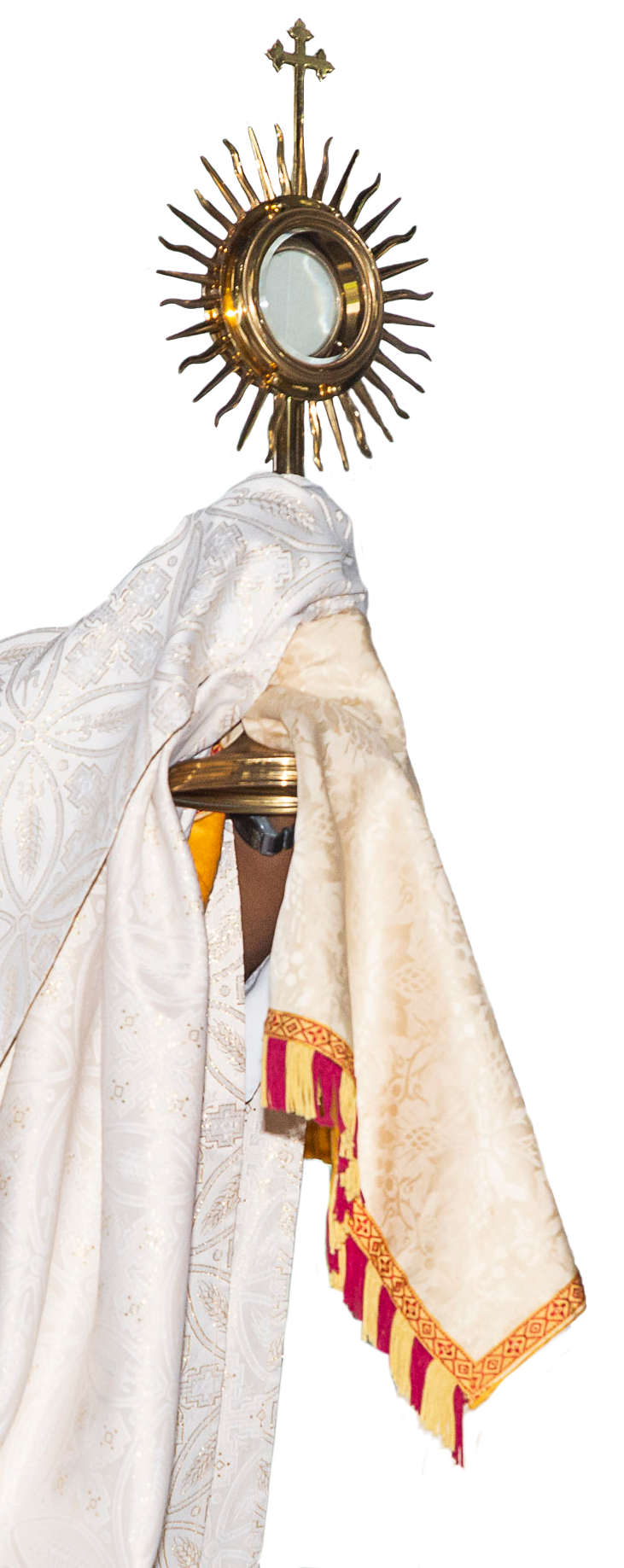
CLERGY, RELIGIOUS SISTERS AND PARISHIONERS SPEAK ON THE 120TH ANNIVERSARY OF ST. PATRICK’S (2019)
“My thoughts on St Patrick’s Cathedral”
Bishop Emeritus Anthony Dickson: “Easter 1970 was the first time I entered St. Patrick’s Church. There was a conference of priests and I came to Barbados to attend it. While I was here Fr. Taylor asked me to celebrate a (broadcast) Mass at St. Patrick’s Church with him which I did. My second contact with St. Patrick’s Church was on January 27, 1971 when I was ordained Bishop of the Diocese of Bridgetown-Kingstown. The Ordination was held outside the Cathedral due to limited seating; over 2000 persons attended the ordination.”

Joan Gonzague: “I’ve been here at the Cathedral for over 25 years. People come from overseas to worship here. I worship here every Sunday and weekdays. The priests and everybody unite as one family: the Body of Christ. This Cathedral is a home for me. When I come to communicate with my Christ I feel I am in the right place in this Cathedral.”
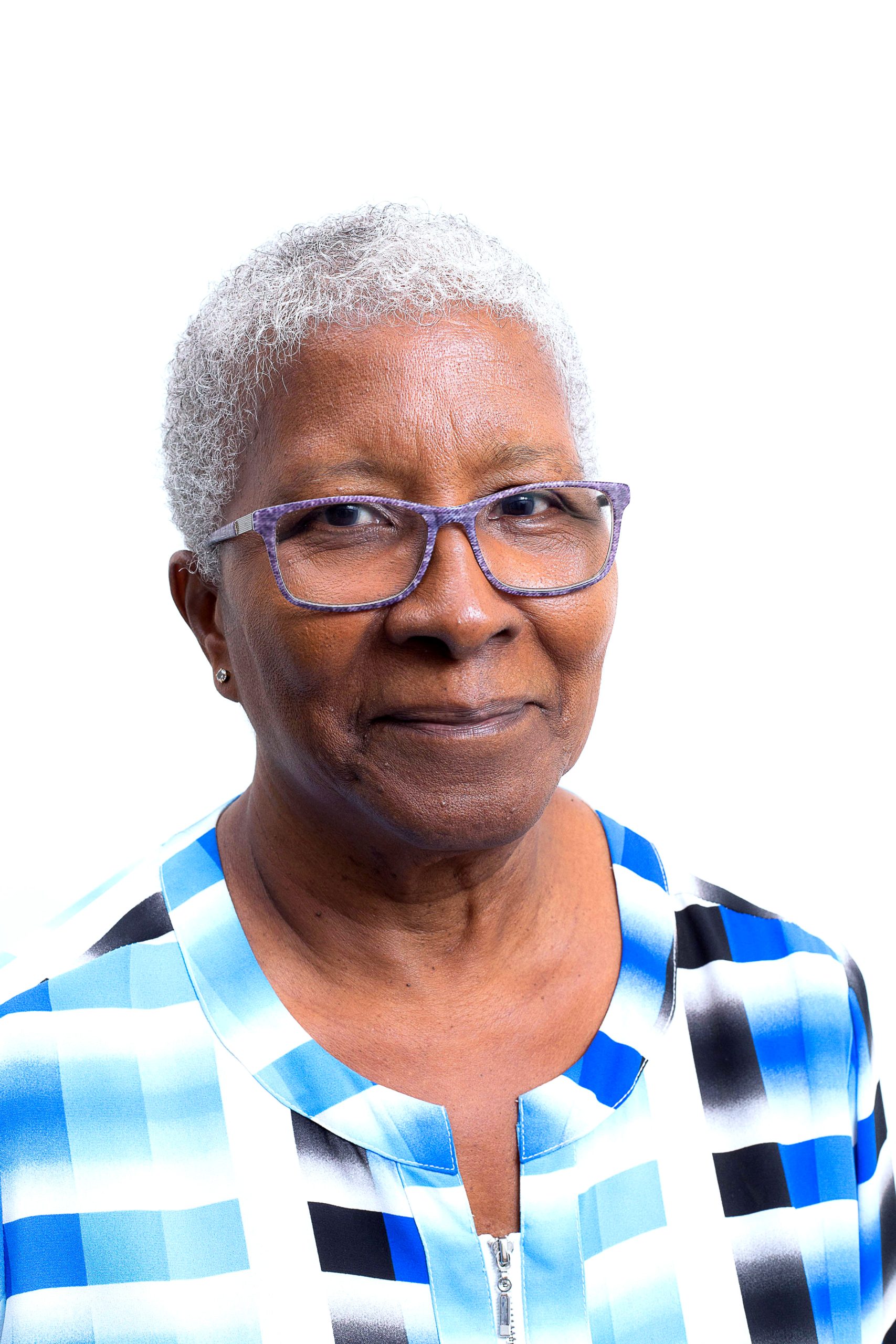
Pam Rudder: “My family has worshipped at St Patrick’s Cathedral for many years. I help provide music and lead the choir for worship at the 6 pm Mass every Saturday evening. Over the years, this church has allowed John, our children and me an environment in which to grow spiritually.”

Jackie Wilson: “I was brought up in this Cathedral. It means everything to me. That’s why I spend so much time with the Confirmation candidates and young people. I want to see the Church become even more vibrant.”

Yvonne Straughn: “St. Patrick’s Cathedral means a lot to me. I made my First Communion and Confirmation there. Got married there. All my children and my granddaughter were baptised and attend Mass on a regular basis. I attended St. Patrick’s School. I am a member of the St. Patrick’s R.C. Old Scholars Association and the Family Life Team.”
Volney Brothers
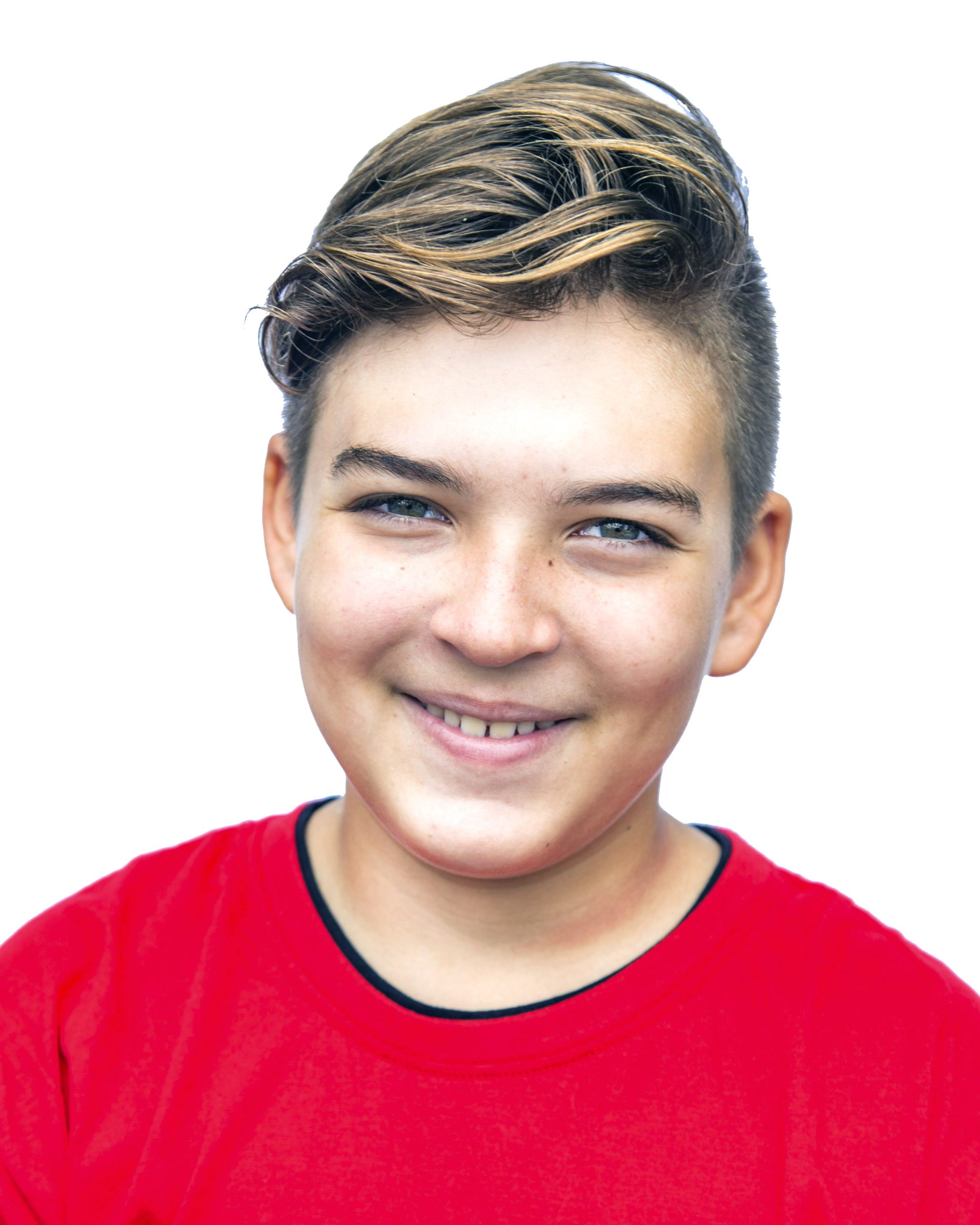
Luke Volney: “From the time I was a baby I grew up at St Patrick’s. I was baptized here and made my First Communion and Confirmation here. It’s a really nice church and I enjoy the way the priests preach.”

Daniel Volney: “I attended St Patrick’s since I was a baby. I like Sunday school and how the priests talk. St Patrick’s is a beautiful church.”

Jacinta Alexander: “I came to Barbados in 1969 and have been attending St Patrick’s since. I became involved in secondary school helping to teach catechism classes. St Patrick’s is a place of worship where we gather as a family. I’m involved in many ministries at St Patrick’s. I pray to God we continue doing the great work we’ve been doing for the last 120 years.”
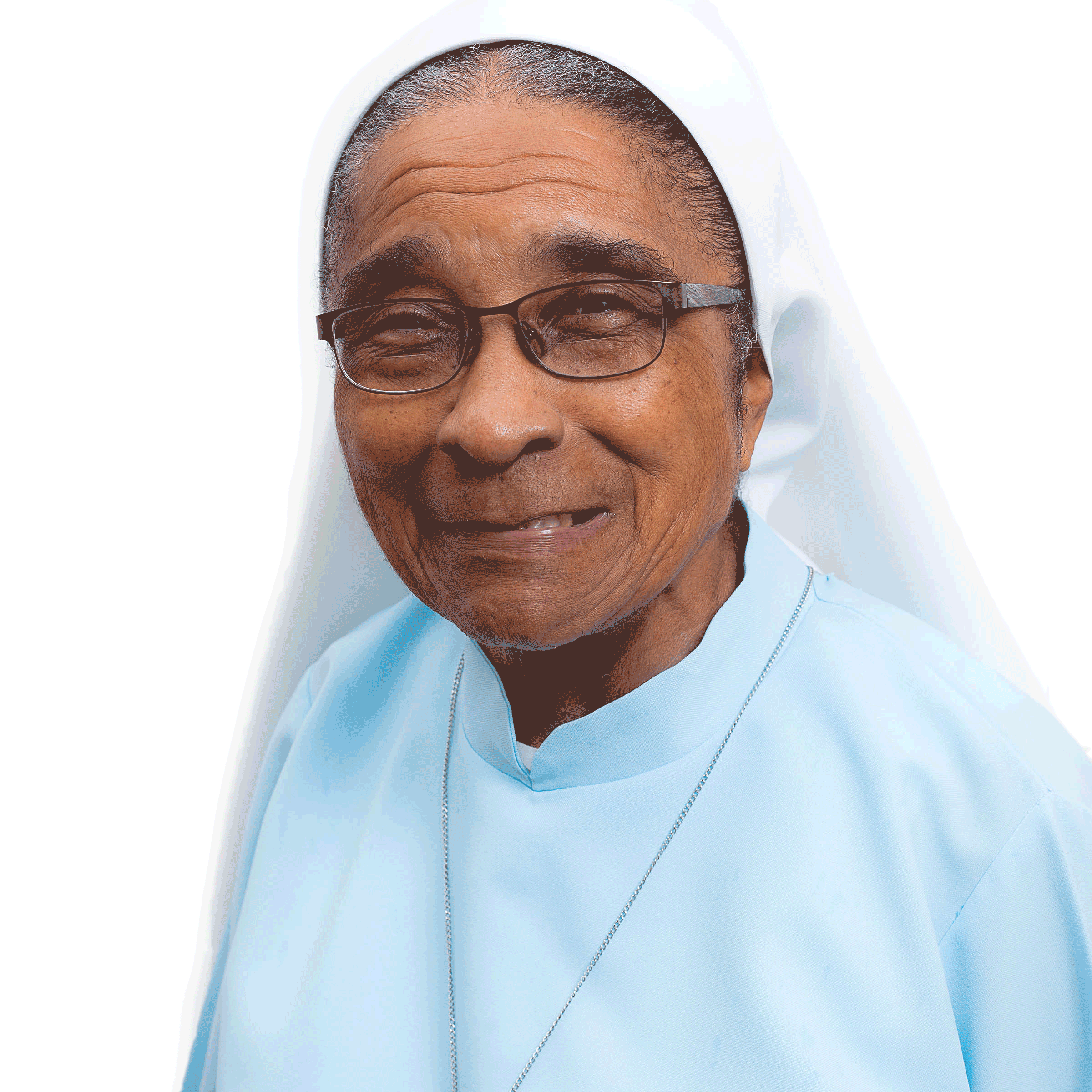
Sr. Sheila George: “St Patrick’s Cathedral, the Mother Church, has always attracted me since it is the first Catholic Church where I attended Mass in 1951 (68 years ago), when my family migrated from St Lucia to Barbados. The 6 pm Mass in particular is beautiful! The Choir makes a tremendous effort to teach the congregation new and meaningful hymns to enhance the Liturgy. I look forward to attending the Saturday evening Mass.”
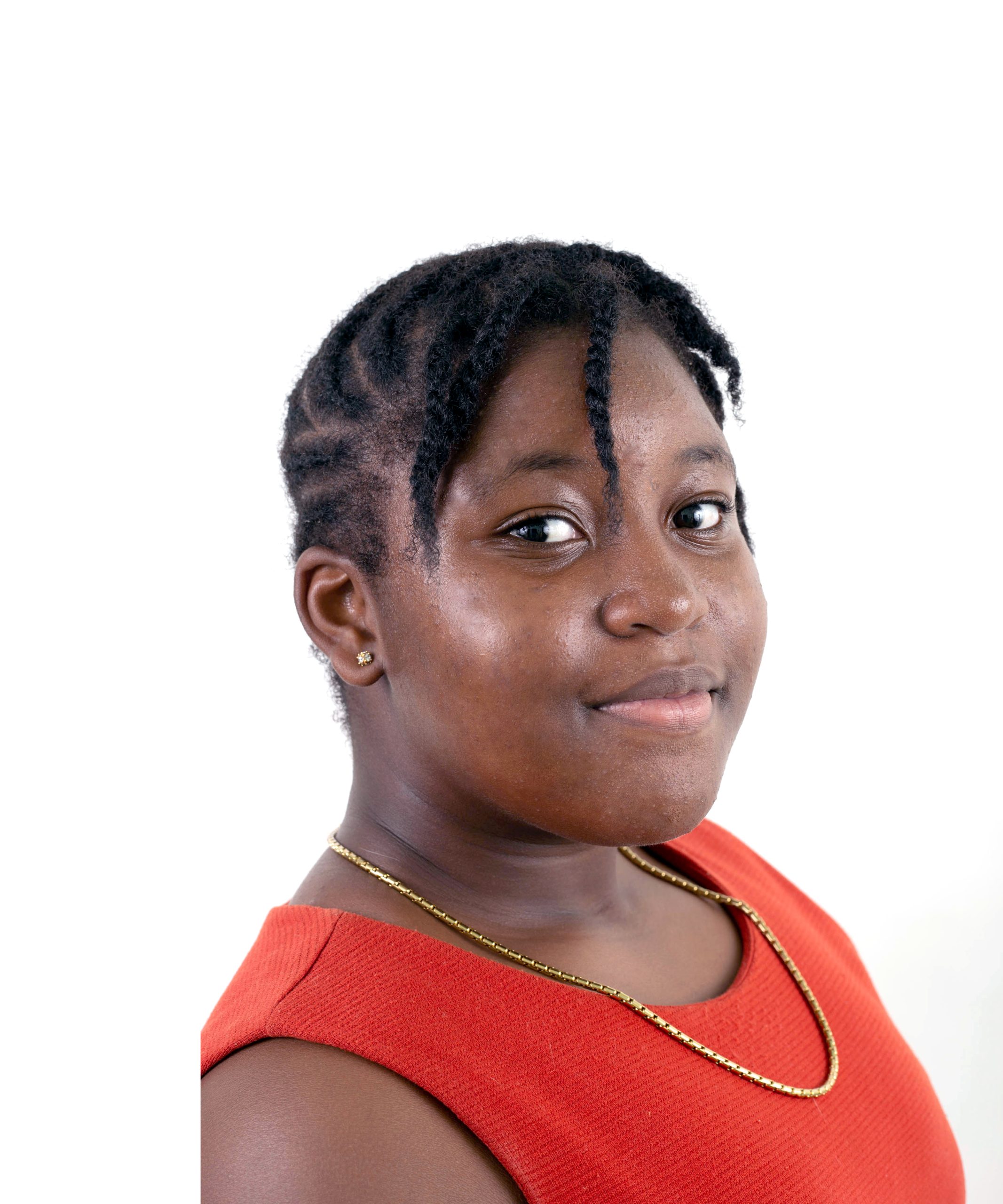
Arriana Rosemond: “St Patrick’s is special because of the history. I like how nice the people are; how they respect other people and how we come to church and learn about God.”

Ursula Hinds: “I was baptized at St Patrick’s and made my First Communion and Confirmation there by Fr. Parkinson. The Mass was in Latin back then. This Cathedral is very special to me and I would not change for the world.”
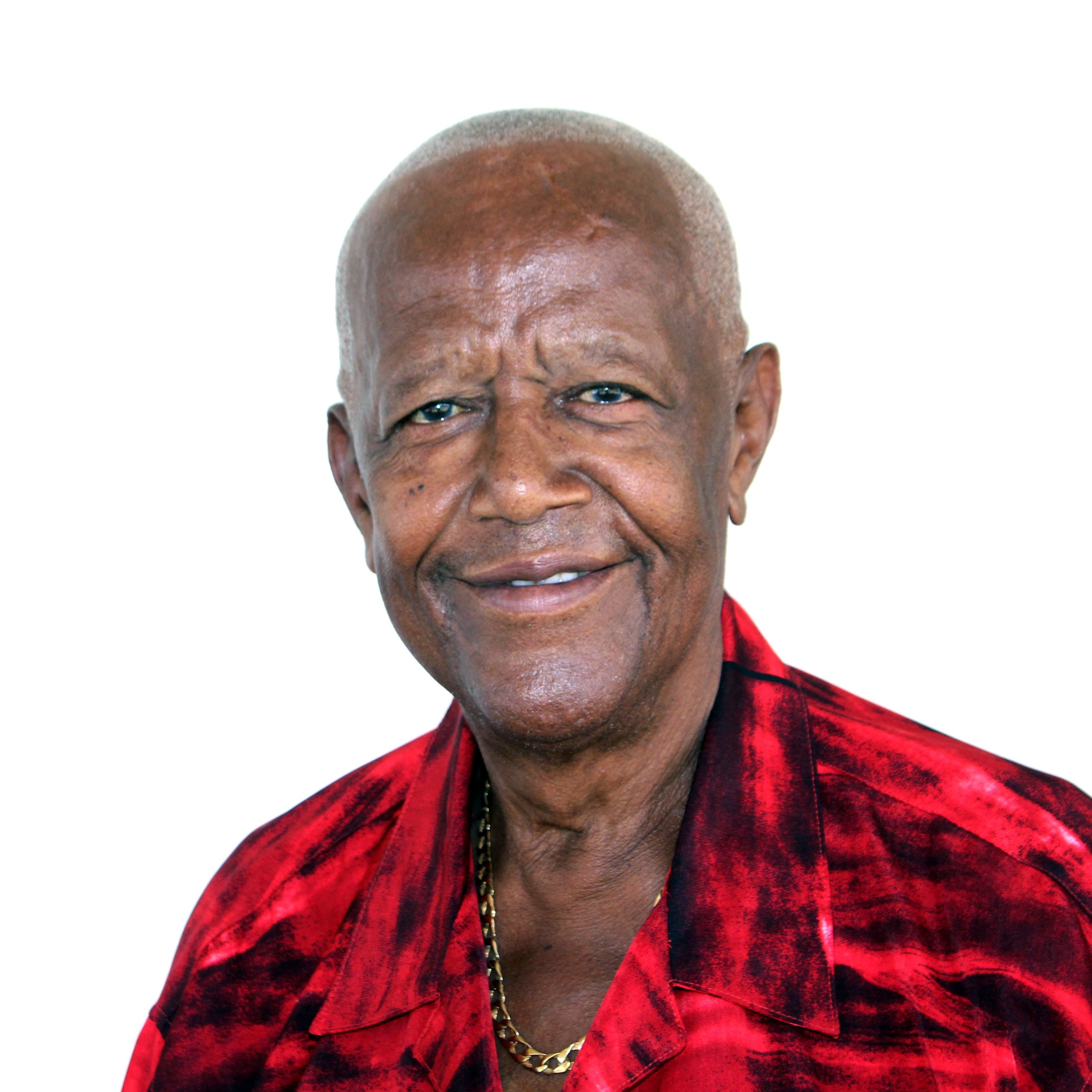
Henderson Rudder: “St. Patrick’s Cathedral means a lot to me. I was in the darkness and finding myself at St. Patrick’s Cathedral with friends has helped to bring me from darkness to light. I try to contribute to the Cathedral in any way I can.”

Cecily Chandler: “I have been going to St. Patrick’s Cathedral for 55 years and I love it very much. I was married here 53 years ago; I have three children who were all baptized, confirmed and married here at St. Patrick’s Cathedral. I love it, I really do.”
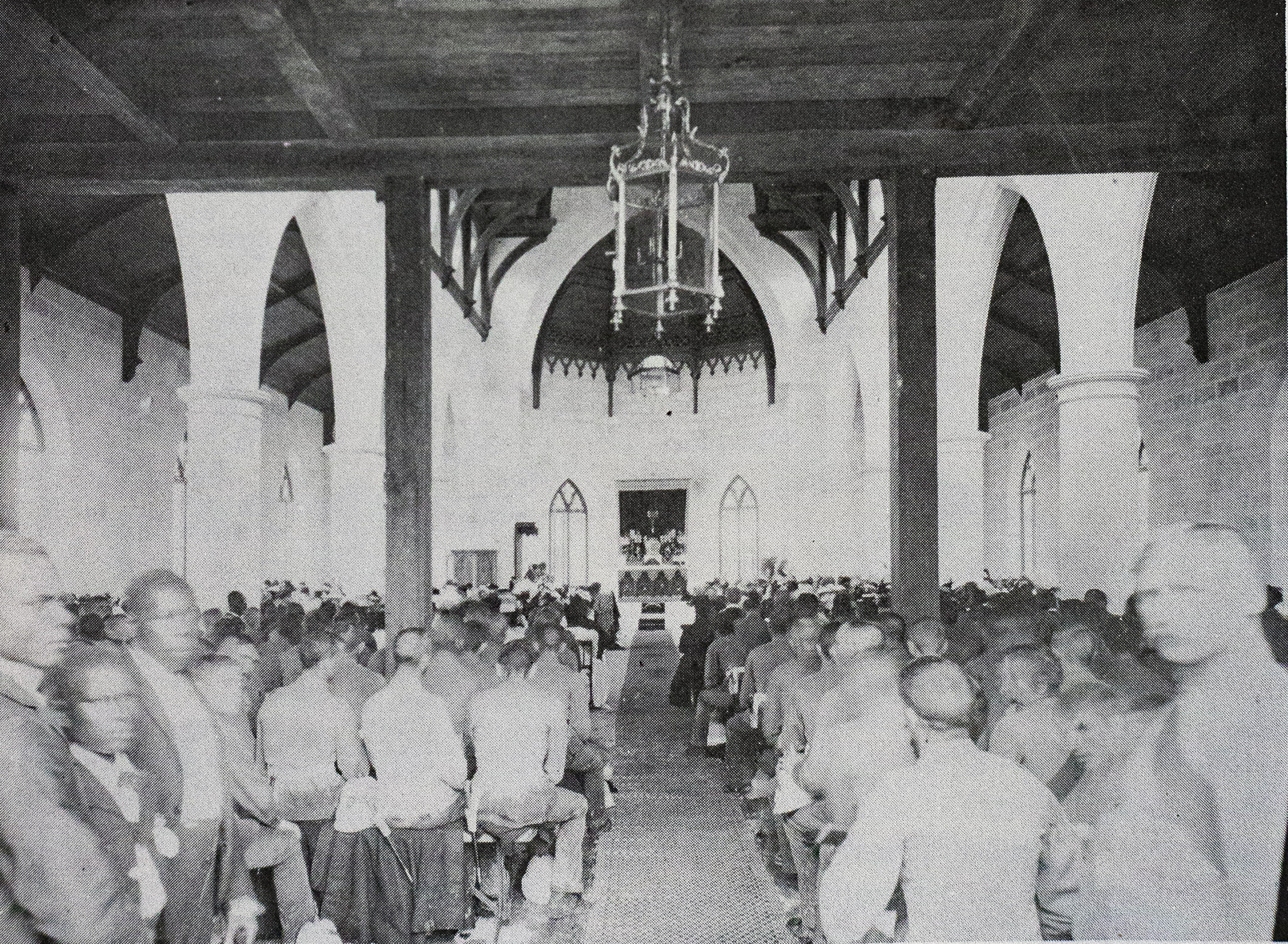
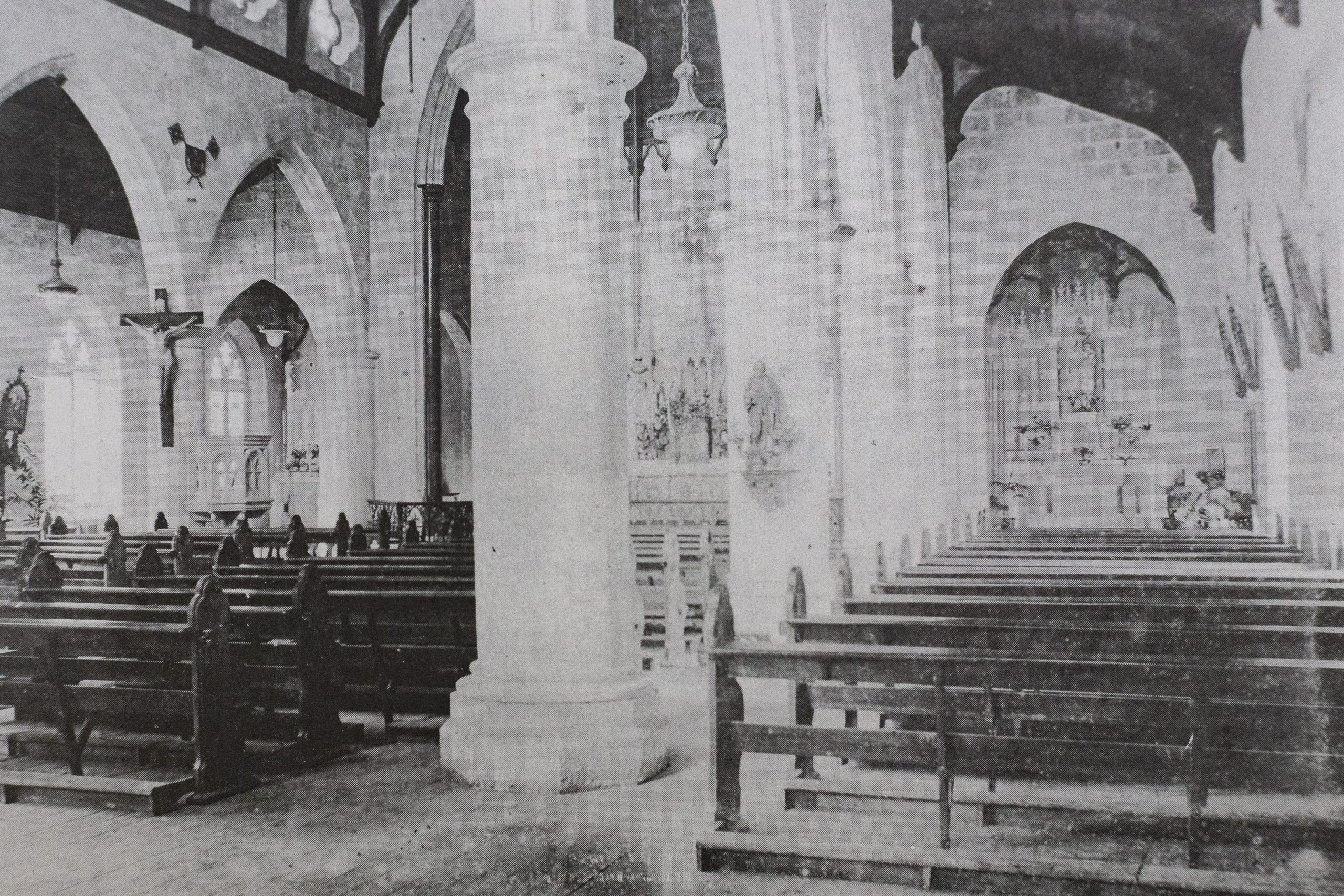
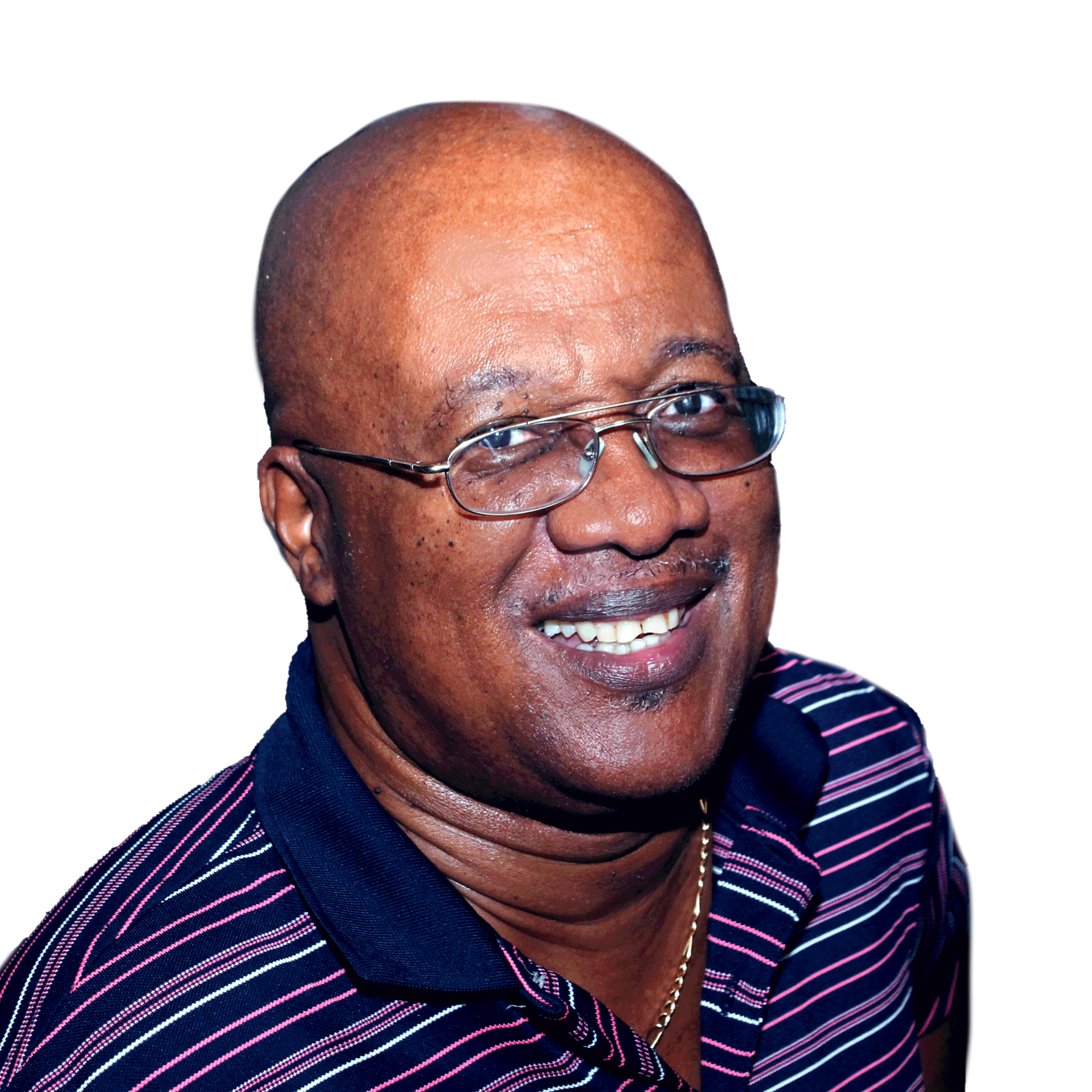 Michael Hunte: “I’ve been here for the last 55 years. Went to school here, played here, did everything here. I was baptized here 18 days after birth by Fr Parkinson and confirmed by Bishop Justin Fields in 1969. I worked with Fr. George, Fr. Taylor, Fr. Bruno Quail, Fr. Malachi Clune, Fr. Leander Clarke, Fr. Paul going way back to the early 1960s. There was a wooden floor in the Cathedral which was removed in the early 1960s and replaced by a terrazzo floor inlaid with mosaics. There was a screen at the back of the Church that was moved for funerals and weddings because the Blessed Sacrament was in the middle of the Church.”
HISTORICAL RECORDS OF ST. PATRICK’S CATHEDRAL
Of the few known works documenting the history of St Patrick’s Cathedral, two have provided some of the content of this book. We recognise the authors and these works which were invaluable for this 120th Anniversary Commemorative Book.
 Alleyne, Warren. The History of St. Patrick’s Roman Catholic Cathedral, Barbados. 1983.
 St Patrick’s Cathedral. St Patrick’s Cathedral Centenary Pamphlet, 1899–1999. 1999.